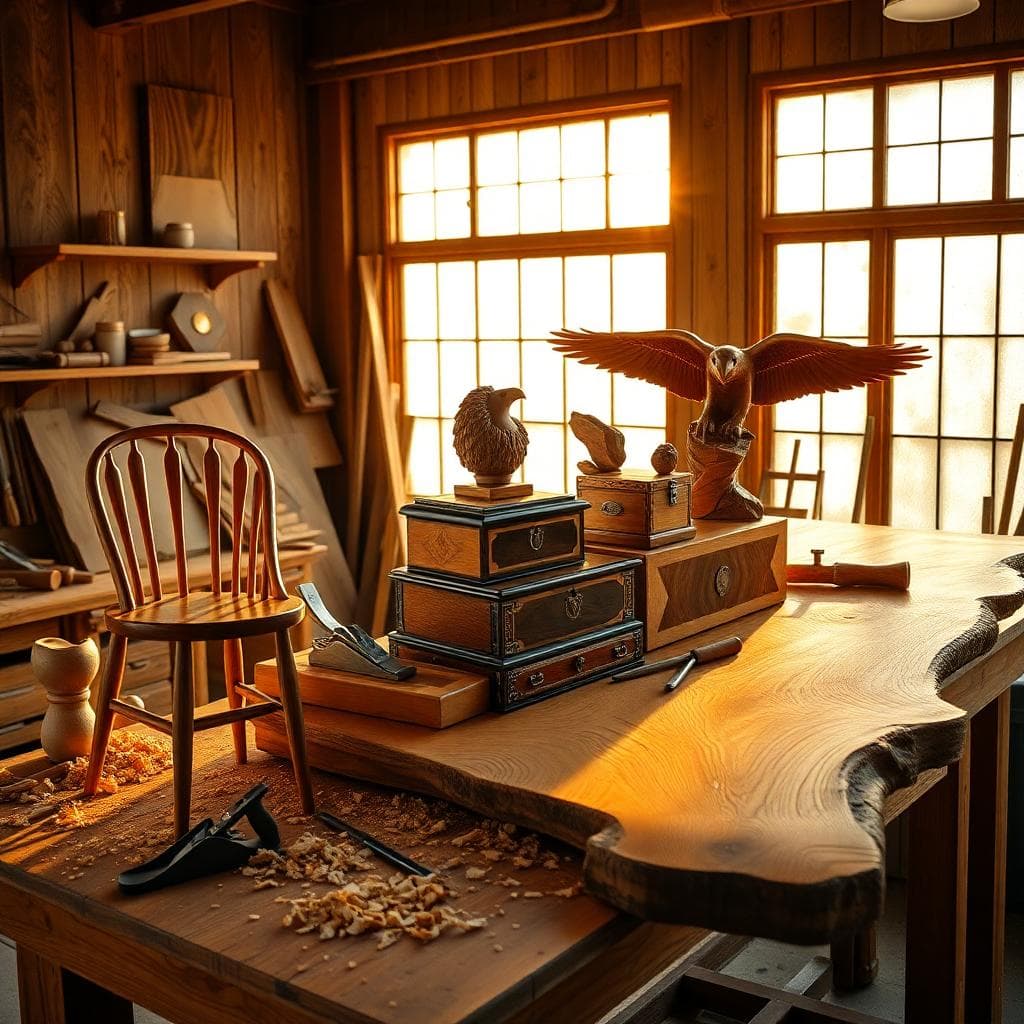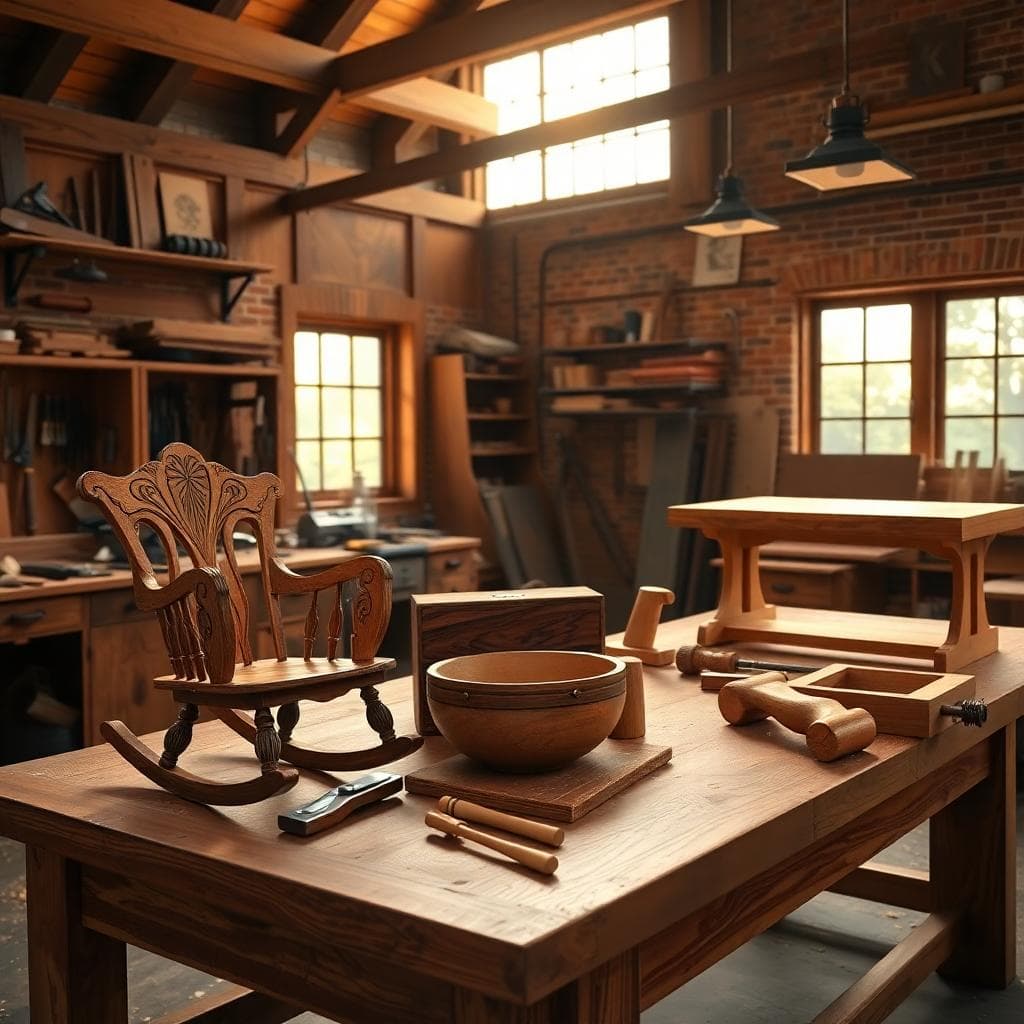
You like the concept of creating your own furnishings, but you really feel stuck on what for making or tips on how to strategy it. you could enjoy films, see astounding tasks, then freeze when you try to begin your own. If that Seems acquainted, You're not on your own.
At the guts of every reliable undertaking is a person simple thing: woodworking patterns. That means the approach, the dimensions, the format, and the glimpse of Whatever you Develop. very good design and style is what informs you how long to chop each board, how thick elements really should be, and wherever the screws or joints go.
The good news is the fact that sturdy design does not depend on extravagant tools. it is possible to plan sensible assignments having a pencil, a tape measure, and very clear wondering. This tutorial walks you through how to choose the best jobs, program layouts that in shape your house, and steer clear of typical design problems that squander time and wood.
What exactly are Woodworking styles and How come They subject?
A woodworking design is a transparent approach for a challenge. It addresses what you may Create, how massive It will probably be, how elements hook up, and what type it should have.
any time you stick to a style and design, you know:
How many boards you will need
What size and width to cut
exactly where each piece matches in the final task
in lieu of guessing, you're employed from the map.
a superb layout will save you wood, time, and worry. you purchase the appropriate sum of fabric, stay away from random added cuts, and end up with a thing that matches an actual have to have in your house. you progress from “I hope this will work” to “I know very well what I am setting up.”
How a superb design and style turns scrap Wooden into something handy
you'll have a pile of random boards inside a corner of your garage. On their own, They may be just muddle. With a transparent design and style, they become a compact table, a durable bench, or even a shelf that fits a tight hallway.
such as, photograph a slender place beside your fridge. you could possibly style:
A skinny rolling shelf for canned food
a set wall shelf for cookbooks
a little broom closet box using a doorway
Every single alternative makes use of easy boards, but the look decides the height, depth, and spacing. Additionally, it decides just how much excess weight the job will have to keep. A shelf for heavy cans demands thicker boards and more powerful joints than a light-weight plant stand.
In the exact same way, a bench layout might say, “This needs to keep two Older people.” That a single crystal clear goal shapes leg measurement, brace placement, and board thickness. You stay away from building a thing that appears good but bends or breaks when an individual sits on it.
The fundamental elements of a woodworking design and style (form, dimension, joinery, and magnificence)
each individual woodworking structure, even an easy just one, has 4 core pieces:
condition
form is The fundamental define. Is it a lengthy rectangle shelf, a square table, or perhaps a tall slender bookcase? you are able to consider it as the venture’s shadow over the wall or floor.
sizing
Size addresses all of the measurements. peak, width, depth, and thickness of parts. These numbers come to a decision When your piece fits below a window, beside a couch, or on a countertop.
Joinery
Joinery is how pieces link. Common solutions are:
Screws and glue
Pocket-gap screws
Dowels
uncomplicated dado or rabbet joints robust joinery retains a project Protected and restricted after some time.
Style
fashion is the look and feel. You might pick out:
Rustic (chunky boards, knots, heavier edges)
contemporary (clear strains, sleek surfaces, sharp corners)
Farmhouse (combination of paint and wood, basic trim, tender edges)
you select on condition, dimension, joinery, and style before you decide to contact a saw. this way Every Lower supports the strategy instead of forcing a brand new prepare all around a foul Minimize.
How to prepare uncomplicated Woodworking patterns That Actually function
before you decide to plug in the tool, you'll be able to wander by way of a simple style process. This helps you Create parts that fit your life, not simply your scrap pile.
Start with an actual dilemma you would like your challenge to resolve
Good models begin with a transparent career. You do not start with “I would like to make anything.” You start with “I would like a destination to place this.”
popular wants contain:
much more storage for footwear, toys, or applications
A spot for crops close to a window
A child’s desk at the proper top
A slicing board that matches your sink or counter
the moment you know the job, you could solution essential inquiries:
How robust will it have to be?
How huge can it be just before it will get in the best way?
Does it will need to move or stay in 1 area?
A plant stand may be lighter and taller. A shoe bench really should be lower, strong, and deep plenty of for popular shoe sizes. the issue styles the design.
Sketch your woodworking design on paper prior to deciding to contact a tool
you don't have to be an artist. very simple sketches are ample.
On basic or graph paper, attract:
A front view (That which you see after you confront the undertaking)
A facet check out (Everything you see with the remaining or proper)
Use rectangles and straight lines. Then:
compose rough heights, widths, and depths beside Each and every section
Mark where screws, joints, or brackets go
Label elements, for instance “prime,” “leg,” “shelf,” “brace”
Graph paper helps as you can Permit Each individual square stand for 1 inch or five cm. This gives you a straightforward scale so the thing is if one thing appears too tall or way too skinny.
A sketch would make errors low cost. It is straightforward to erase a pencil line. it truly is tougher to fix a whole board that's 3 inches way too small.
evaluate your space and match your style and design to authentic dimensions
Even an ideal drawing fails Should the challenge will not suit your place. Take a tape measure and Test the particular House.
as an example:
for your wall shelf, measure wall width and top, plus how far it is possible to stick out from your wall with no blocking a door.
for any desk, evaluate legroom, chair peak, along with the House in between other furnishings.
for the bench, evaluate how A lot of people you ought to seat and the room round the bench.
Then compare those numbers to the sketch. modify peak, depth, or width so the look matches genuine everyday living.
a straightforward trick is to mark the footprint on the ground with painter’s tape. you are able to “see” the dimensions before you decide to Reduce a single board.
Choose the suitable wood for your style and also your finances
Your wood decision modifications the energy, glance, and price of your task. Common choices consist of softwood, hardwood, and plywood.
below is a simple tutorial:
Wooden style prevalent species execs very best works by using
Softwood Pine, spruce low-cost, simple to Slash and sand Shelves, standard home furniture, painted function
Mid-selling price Wooden Poplar sleek, will take paint nicely Painted furnishings, trim, packing containers
Hardwood Oak, maple powerful, wears well, appears rich Tables, benches, flooring, slicing boards
Plywood Birch plywood Flat, secure, substantial panels cupboards, shelves, box sides
For a primary challenge, pine or poplar typically functions effectively. Oak or maple fees extra but offers stronger legs and nicer grain. Birch plywood provides a clean up surface area for cabinets and cabinets.
Match the Wooden to the job. A small wall shelf for mild decor is usually pine. A bench that retains adults should really use thicker boards or hardwood legs.
Beginner-Friendly Woodworking design and style Suggestions you could check out
when you finally fully grasp the basic principles, very simple task styles can instruct you a large number about design.
effortless shelf designs that educate you about toughness and spacing
Shelves are a sensible starting point. They use straight cuts and simple joinery but nonetheless will need scheduling.
Design alternatives that matter:
Shelf thickness
Thicker shelves search much better and sag much less. For large guides, use thicker boards or plywood.
Bracket type and spacing
Wall brackets, side panels, or possibly a ladder body all help weight in alternative ways. nearer supports necessarily mean much less sag.
Shelf spacing
restricted spacing matches modest goods. Wider spacing holds taller textbooks or plants. You Management the glance and performance by picking out the gaps.
get started with small, strong shelves. A 24 inch shelf with strong brackets teaches you more details on style and design than an extended, sagging 1.
little desk and bench types that Create your structure techniques
aspect tables, espresso tables, and little benches train you about format and balance.
crucial design Concepts:
Leg placement
Legs near the corners appear stable. should they sit much too far in, the job can come to feel tippy.
Overhang
the highest typically hangs past the legs a tad. a lot of overhang appears odd and will bend. a little, even overhang on all sides appears to be here like cleanse.
top
Match peak to its position. A espresso table sits lessen than the usual desk. A bench top should Allow feet relaxation flat on the ground.
You figure out how to draw leg positions in the sketch, measure overhang, and Examine that the piece will truly feel sound when employed.
Simple storage box and crate styles for Discovering joinery
bins and crates look simple, However they are great lecturers. Every corner is really a joint, and each side ought to match the others.
you may structure:
A basic box with butt joints, screws, and glue
A much better box with rabbets or dadoes for the perimeters
A ornamental box with box joints or dowels
You may also strategy:
A lid that sits on major or suits inside
Handles cut into the edges or additional as rope or steel pulls
commencing with a very simple screw-with each other box provides rapid success. Later, it is possible to draw far more intricate joints into your types and slowly but surely go to cleaner, hidden joinery.
chopping board and kitchen woodworking styles that search personalized
Kitchen projects are modest, so that they suit properly in confined spaces and budgets.
Common Suggestions:
Straight-board reducing boards with strips of various Wooden
Serving trays with lower sides and handles
straightforward utensil holders or knife blocks
below design and style concentrates on:
Grain direction
prolonged grain boards run along the duration from the chopping board. conclude grain boards (where you Slice crosswise and stand items on finish) are gentler on knives but more durable to construct.
designs
By mixing light-weight and dark woods in strips, you receive uncomplicated but rich styles.
form facts
Rounded corners, beveled edges, and Slice-out handles all alter how the piece feels and looks.
very small modifications in edge condition or take care of design and style will make an easy board glance custom made without the need of sophisticated instruments.
guidelines for Customizing Woodworking styles to Match Your type
when you finally can stick to a system, you may want to alter styles so they match your own home and flavor. You can do this in little, Risk-free actions.
regulate sizing and proportions with out ruining the composition
you frequently can tweak dimension, but you still have to have sound composition.
easy regulations:
when you increase height, steer clear of skinny legs. Taller pieces need thicker legs for stability.
If a shelf gets more time, insert a center assistance or thicker material.
hold desk and bench tops thick more than enough that they do not bend underneath pounds.
When you alter just one size, Examine the Some others. an incredibly tall, pretty narrow bookcase may well tip. Widen the base or safe it to your wall. Draw your modifications on paper and think about pounds and movement.
Use easy design details to make your project look custom
modest layout touches will make a basic system experience like your personal.
you could:
Round or soften sharp edges with sandpaper or simply a router
incorporate gentle curves to a desk apron or shelf entrance
adjust board course, including working boards across the width instead of the duration
Add an easy trim strip to cover plywood edges or split up a flat area
These details hardly ever need to have advanced tools. Most can be done with a jigsaw, sander, and many patience. The intention is not excess work, It's a number of selected specifics that match your eye.
decide stain, paint, and end that suit your property and wood preference
Finish is part of style and design, not an afterthought. exactly the same desk can seem rustic or present day based on coloration and sheen.
Simple pointers:
Use stain if you like the Wooden grain and want to highlight it. Pine can blotch with dim stain, so take a look at first. Oak takes stain well.
Use paint if the Wooden has knots, mixed species, or you wish a reliable color that matches other home furniture.
Use crystal clear finish (oil, varnish, or water-primarily based topcoat) in the event the wood appears fantastic By itself.
generally check stain or paint on a scrap in the same batch of Wooden. Colors over a can or display hardly ever match authentic lifestyle. A quick take a look at swatch can save a complete project from a glance you don't like.
popular Woodworking design and style Mistakes and ways to stay clear of Them
quite a few beginners operate in the exact troubles. If you already know them in advance, you'll be able to style and design about them.
layouts that look good on paper but are certainly not Safe and sound or steady
A trim table with lengthy, skinny legs may search elegant over a sketch, but in real existence it may well wobble.
Common basic safety troubles:
Legs as well skinny for the height
lengthy cabinets without any center assist
Chairs or benches with very poor bracing
strategies to take care of this at the design stage:
incorporate diagonal braces or stretchers involving legs
Use thicker content for load-bearing areas
Shorten spans or incorporate a couple of extra supports
it is actually less of a challenge to draw a brace on paper than to repair a wobbly desk with your family room.
disregarding wood movement, grain way, and actual board thickness
Wood moves with adjustments in humidity. It swells and shrinks through the grain, not along its duration. for those who trap a large panel among mounted pieces, it may crack or bow after some time.
straightforward ideas:
Permit tabletops and huge panels “float” with slots or determine-eight fasteners in place of glue on all sides.
operate grain during the route of main tension. Shelf boards ought to run lengthwise so they do not snap.
system employing true dimensions, not only the names. A “2x4” from the store will likely be one.5 inches by 3.5 inches. evaluate boards and use Those people numbers within your layout.
after you draw your parts, mark grain direction with arrows. This tiny behavior reminds you to consider energy and motion.
Skipping a Slash checklist and losing wood or money
A Slice listing is a simple table of areas. It lists each piece name, size, width, and thickness. several novices skip this step and finish up short on Wooden or with plenty of oddly compact offcuts.
to generate a Reduce checklist out of your style:
compose down each and every section out of your sketch, like “major, one piece, 36 x 16 x 0.75.”
Group areas by thickness, such as all 3/4 inch boards with each other.
Sketch how these items will match with your boards or plywood sheet to reduce squander.
This additional ten to quarter-hour on paper typically will save a 2nd trip to The shop and keeps your funds beneath control.
You now have a transparent image from strategy, to sections, to cuts.
Good woodworking starts lengthy before the sawdust flies. any time you decelerate and design 1st, you get safer, more robust, and superior looking benefits.
decide on a single little undertaking from this information, possibly a short shelf, an easy box, or maybe a cutting board. entirely design and style it on paper, evaluate your space, pick your Wooden, and write a Lower list before you make just one Slash. address that as practice for your personal structure expertise around your Instrument techniques.
continue to keep a small structure notebook or sketchbook in which you store sizes, Tips, and classes from Each and every Construct. eventually, you will see your drawings strengthen, your guesses shrink, plus your self esteem improve with each nicely-planned undertaking you deliver into your private home.